Independent reader · Session 1 of 11
A Friendship Begins: Speaking of God in Plain Words
Acts 17:22-28
Paul found an altar. Nouwen found a friend named Fred.
Book reading
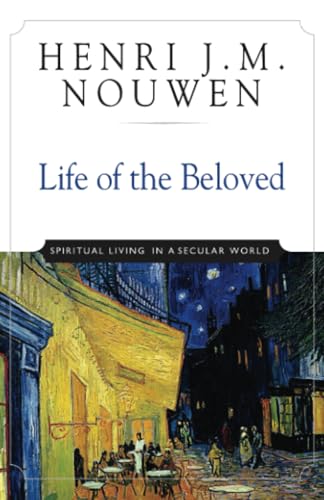
Prologue: A Friendship Begins (hardback pp. 9-20; softcover pp. 11-24)
Paul is alone in a city full of statues. In Athens he walks around looking at what people worship, and when he finally stands up to speak, he doesn't start with a scolding. He starts with what he noticed: “Men of Athens, I perceive that in every way you are very religious.” Then he points to an altar he found on his walk, one with the inscription “To the unknown god.” That altar was an admission. The Athenians had built a spot for the One they couldn't name, and Paul says he can tell them who they've been reaching for.
Listen to the kind of words he chooses. God gives “to all mankind life and breath and everything.” People are meant to seek God and “perhaps feel their way toward him.” That's the picture of someone crossing a dark room with hands out. Then comes the line that carries the weight: “Yet he is actually not far from each one of us.” Paul even borrows words from the Athenians' own poets. He meets people where they already stand.
That makes Acts 17 a good doorway into the Prologue of Life of the Beloved. Nouwen tells of a friendship with Fred, a Jewish journalist he met at Yale. Fred challenged him to speak about spirituality in terms that make sense to people in a secularized society, people who no longer turn to priests or rabbis. Fred asked him to talk about the deepest yearnings of the heart, about hope, and about God. The book that follows reads as a letter from Nouwen's own heart to people like that.
Notice what that challenge does not ask for. It isn't a request for a sharper argument. It's a request for plain, human speech about longing. Paul's altar and Fred's challenge start from the same place: people already carry a hunger, whether or not they have a vocabulary for it.
Try a test. Picture someone who would roll their eyes at church language. Maybe it's a coworker who says, “I'm not religious, but I keep wondering if this is all there is.” (That's our own example, not from the book.) If you had two minutes, could you talk about God's nearness without one word that sounds like a sermon? Most of us can't at first. That isn't failure. It's a skill, and it begins with listening for the altar in someone else's life before you start talking.
One more thing. Plain doesn't mean watered down. Paul still says plainly that God made the world and that we are his offspring. Simple words can carry the full truth. As you read the Prologue, watch for how Nouwen tries to speak from the heart instead of from a pulpit, and what that might look like for you.
Key idea
Paul and Nouwen both begin with the longing people already have, and they speak about God in plain words that fit real life.
Questions to consider
- In the Prologue, Fred's challenge is to speak of God to people who no longer turn to priests or rabbis. Which words from your own faith would a skeptical friend find hardest to understand, and how might you say the same thing in plain language?
- Paul found an altar “To the unknown god” and started there. Where do you see signs of longing, hope, or searching in the people around you, including in your own life?
Journal prompt
Write three plain sentences about God's closeness, using no church vocabulary, as if to a smart friend who isn't sure they believe anything. Then note which sentence felt the most honest.
Practice
1. Write your three-sentence plain-language description of God's nearness (about 5 minutes). 2. Within the next few days, ask one person what they hope for or what they wonder about, and listen for 5 minutes without correcting or fixing anything.