Independent reader · Session 1 of 11
Identity and Authenticity
Ephesians 2:10
Is your self something you build or something you receive?
Book reading
Identity and Authenticity (introduction, p. 15)
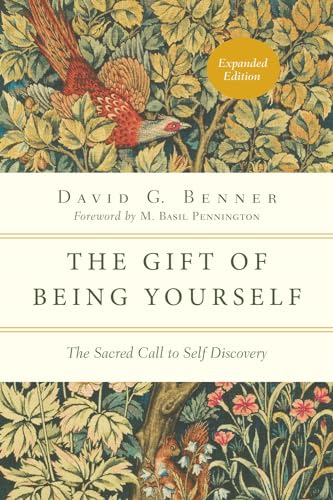
Start with a tulip. In the opening pages of The Gift of Being Yourself, Benner points out that a tulip simply is what it is. It never wonders whether it is a good enough tulip. People are different. We think, weigh options and doubt ourselves, and so, Benner observes, identity is a struggle unique to human beings. Simple authenticity is hard for us.
He also notes something many readers will recognize: lots of adults sometimes feel like frauds. In his telling, the masks behind that feeling were first adopted to avoid vulnerability. Maybe you learned early that being funny kept people from looking too closely. Maybe being capable felt safe, or being agreeable kept the peace. The mask worked, so it stayed.
Then Benner makes his proposal. Beneath the roles and masks, he says, each person has a distinctive true self in Christ, a self God has loved into existence, and that self alone supports authenticity.
Now bring that to Ephesians 2:10: "For we are his workmanship, created in Christ Jesus for good works, which God prepared beforehand, that we should walk in them."
Look at the order. Just before this, Paul says salvation is a gift of grace, not a result of our works (Ephesians 2:8-9). Only then does he talk about good works, and he describes them as something God prepared beforehand. We do not build ourselves and then show God the finished product. God makes, and we walk.
The Greek word behind "workmanship" is poiema. It is where we get our word "poem." It points to something crafted with care, a made thing that carries the skill of its maker. Notice too that "created in Christ Jesus" is something done to us, not something we do.
Paul is writing to believers together here ("we"), so don't make the verse say more than it says. It does not hand you a personality profile. But it does speak to the question underneath a mask. A mask is a way of building an identity by performance: be impressive, be useful, be unbothered, and then you will be somebody. Ephesians turns that around. You already are something, God's own handiwork, and the good you do comes after.
That is not an easy shift. Masks protect us, and we usually put them on for reasons that made sense at the time. You don't need to rip yours off today. You only need to notice it. Where do you reach for it? What does it say about you? What does it protect you from?
Today's job is small and honest. Name one mask, then read Ephesians 2:10 slowly beside it. Ask which one it is: a self you are building, or a self you are being given.
Key idea
Benner says people struggle with identity and often wear masks to avoid vulnerability. Ephesians 2:10 puts being made by God before doing, so identity is received first and lived out second.
Questions to consider
- Benner says many adults sometimes feel like frauds and that masks are first adopted to avoid vulnerability. Which mask did you first put on, and what was it protecting you from?
- Ephesians 2:10 puts being God's workmanship before doing good works. What changes in your daily life if you start from there instead of from performance?
Journal prompt
Finish this sentence: "When I feel like a fraud, it's usually because I'm trying to appear..."
Practice
1. Spend five minutes listing the roles and masks you wear (for example the helper, the funny one, the competent one). Circle one. 2. Today, notice at least one moment when you reach for that mask, and write down what you were protecting. 3. Read Ephesians 2:10 slowly once in the morning and once at night, and pray it back in your own words.